Meigui Fertilizer
12 June 2026



Due to the particularity of golf course greens, a single green may simultaneously receive the application of a dozen or even several dozen types of pesticides and fertilizers.
Among them, liquid pesticides and fertilizers account for the majority. Therefore, if we can clearly understand their chemical nature and physical properties, I believe it will greatly assist our superintendents in both safe and efficient operations.
After consulting some books and reading related popular science articles, I have summarized the following points to share with everyone.
Conduct tests to observe whether flocculation, precipitation, discoloration, bubbling, or other phenomena occur after mixing. If the liquid exhibits adverse manifestations, it is not suitable for mixed use.
Even if the physical properties of the mixed liquid are good, a small-scale test should be conducted first to check for fertilizer or pesticide damage before large-scale application. Attentive friends may notice that imported foliar fertilizers often include descriptions such as: (This product is compatible with most technical turf products. It is recommended for all turf grass applications. Always use a jar test before mixing pesticides in your tank.) Simply put, although it is safe and compatible, it is still recommended for users to conduct compatibility tests.
Generally, use sufficient water to first prepare a solution of one single agent, and then use this solution to dilute another single agent. Do not mix two single agents first and then dilute with water, to avoid adverse reactions that could damage the effectiveness or physical properties.
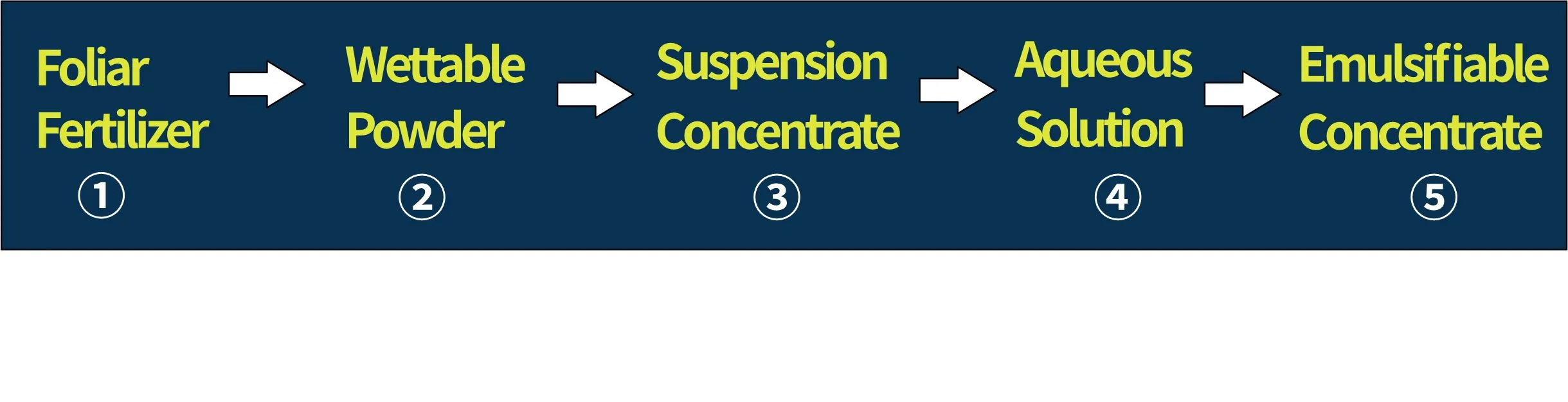
The typical mixing order for foliar fertilizers is: foliar fertilizer, wettable powder, suspension concentrate, aqueous solution, and emulsifiable concentrate, with each being fully stirred and mixed before adding the next.
Of course, many current golf course greens use double- and triple-combination pesticides, making their use simpler and clearer. However, there are still many superintendents who mix their own pesticides to save costs, which warrants high attention.
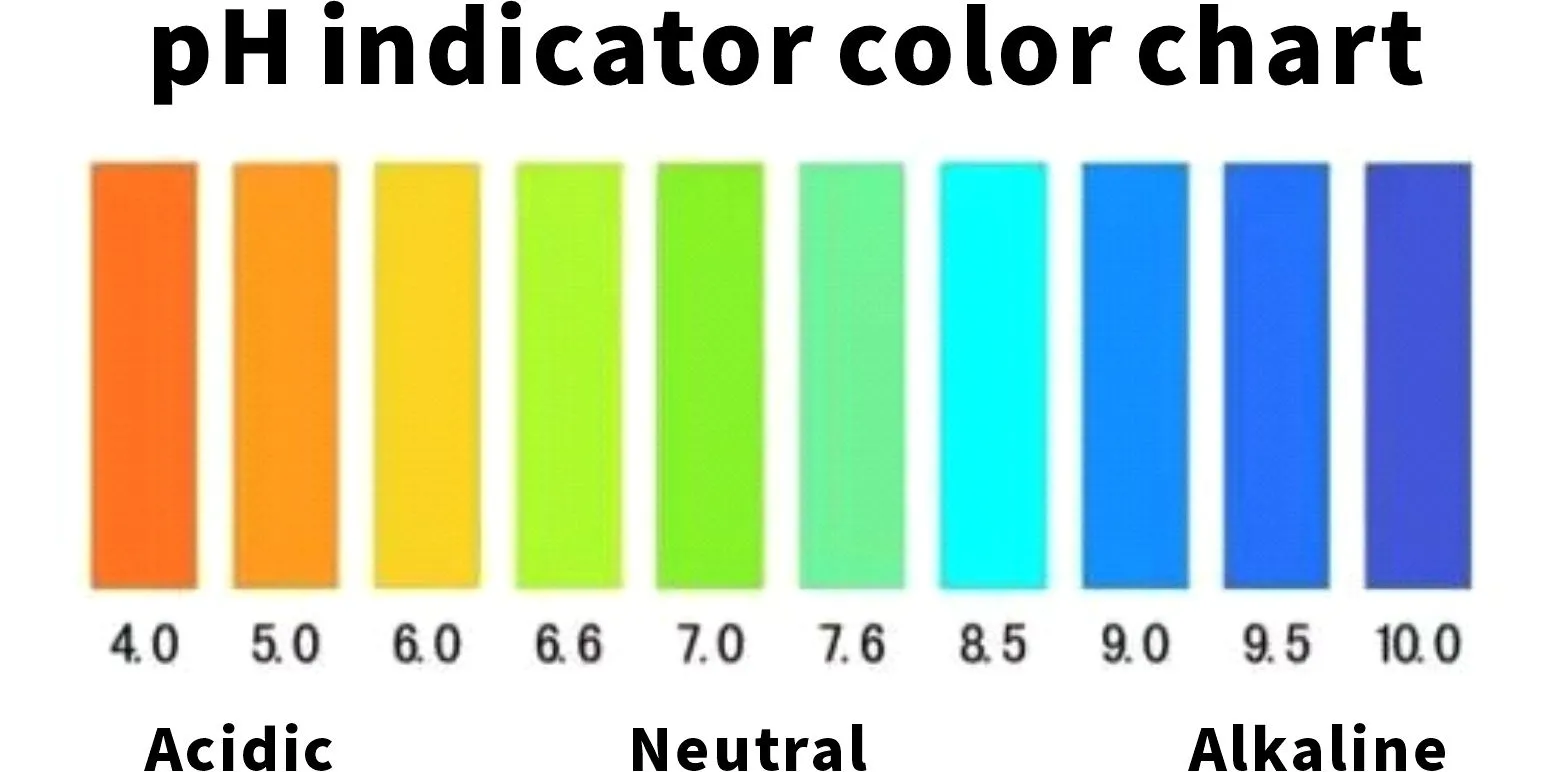
Water has a significant impact on the liquid. Factors such as water's pH level and ion concentration can affect its effectiveness. It is advisable to use neutral water with a low ion concentration for mixing, such as clean rainwater or river water.
This is because foliar fertilizers may undergo chemical or physical reactions with pesticides, affecting the pesticide's effectiveness or causing pesticide damage. If the liquid exhibits adverse manifestations, it is not suitable for mixed use.
Even if the physical properties of the mixed liquid are good, a small-scale test should be conducted first to check for fertilizer or pesticide damage before large-scale application.
For example, foliar fertilizers containing ingredients such as boric acid and ferrous sulfate are mostly acidic, while copper preparations like copper hydroxide are alkaline. Mixing them can easily lead to reactions that mutually affect their effectiveness.
Although the liquid may not exhibit adverse reactions immediately after mixing, prolonged placement can easily lead to slow reactions, causing the loss of effectiveness or the likelihood of pesticide damage. For example, although some pesticide varieties are stable under weak alkaline conditions, they should still be prepared immediately before use, as prolonged placement can also lead to ineffectiveness.